From Field to Flask: Why Sustainable Agriculture is the Future of Whiskey
The magic of whiskey begins long before the copper stills start singing. It starts in the soil, with the grain. At New Dawn Distilling, we believe the future of truly exceptional whiskey—and a sustainable planet—lies in rethinking our relationship with agriculture.
The Grain Difference: Heirloom vs. Feed Grains
Walk through a conventional grain field, and you'll likely see a monoculture of high-yield feed grains. These grains are bred for maximum efficiency, quantity, and starch content, often at the expense of flavor complexity and genetic resilience. While they provide the necessary alcohol yield, they contribute a less nuanced profile to the final spirit.
In contrast, distillers committed to flavor and sustainability are seeking out heirloom and heritage grains. These are older varieties, often more challenging to grow, but they offer rich, distinct flavor profiles—think deep nutty notes, subtle spices, or vibrant fruit undertones—that modern feed grains simply cannot match. By prioritizing these diverse, flavor-forward grains, we are not just making better whiskey; we are also supporting agricultural biodiversity.
Decoding Sustainability:
The way the grain is grown fundamentally impacts its quality, the health of the land, and, ultimately, the character of the whiskey.
Practices of the Past: Conventional Agriculture
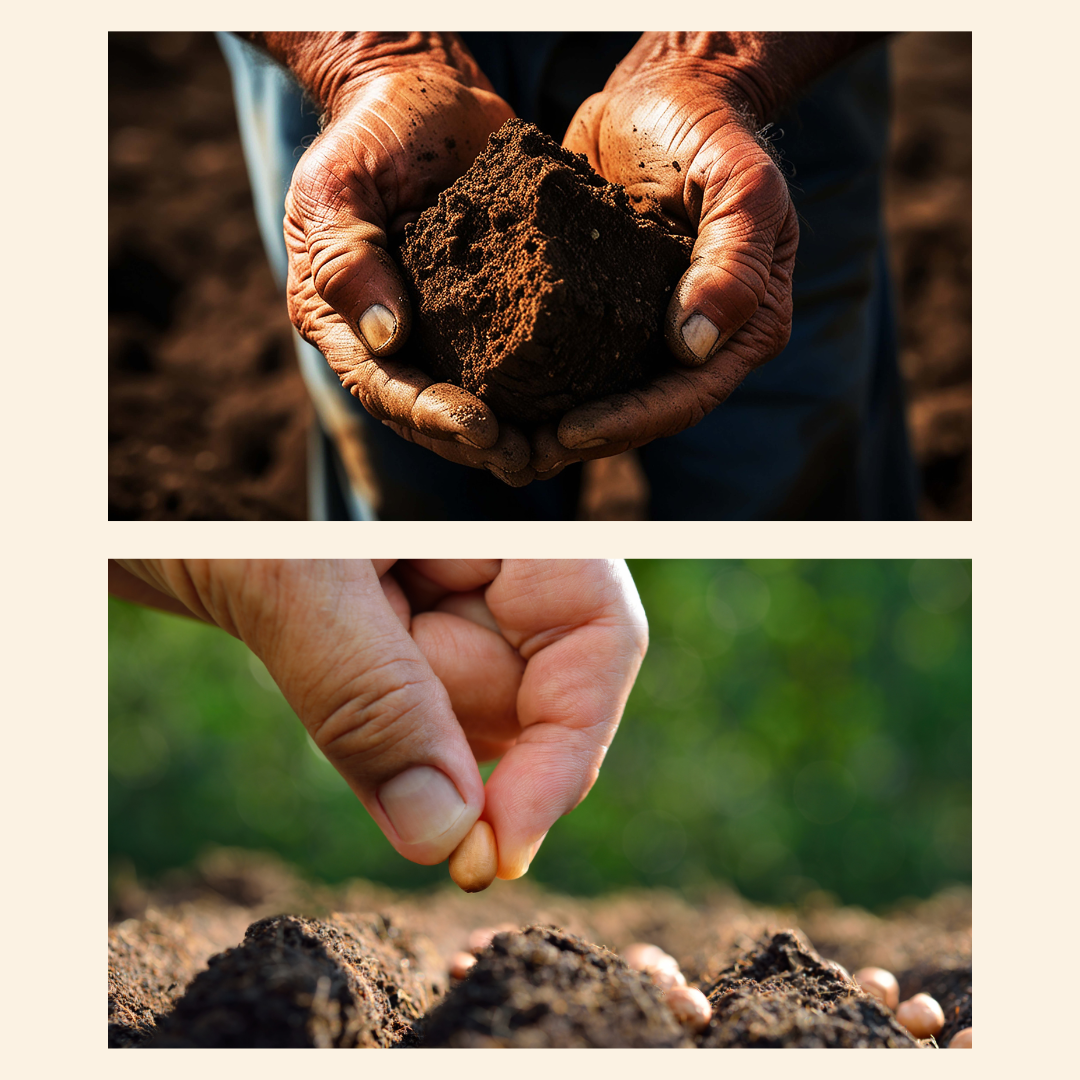
Conventional agriculture, which relies heavily on synthetic fertilizers, pesticides, and monocropping to maximize yield, produces high, consistent yields but may leave chemical residues. Furthermore, the resulting grains often lack flavor depth due to depleted soil health.
Conventional agricultural methods also carry significant long-term environmental impacts, including soil degradation (loss of organic matter and structure), water pollution from fertilizer runoff leading to dead zones, and loss of biodiversity as large monocultures displace natural habitats. These practices are also a major contributor to greenhouse gas emissions through the production and use of synthetic nitrogen fertilizers and fuel consumption for heavy machinery.
Beyond Whiskey: Animal Feed and Processed Foods
Did you know? Beyond use in spirits like whiskey, the vast majority of these conventionally farmed grains—such as corn and wheat—are used for animal feed in industrial livestock operations, or processed into food ingredients like high-fructose corn syrup, vegetable oils, and starches, which are foundational components of many processed and packaged foods globally.
While historically, conventional agricultural practices are highly efficient, allowing for the mass production of affordable, calorie-dense foods that have historically met the demands of a growing global population and provided food security by ensuring a consistent, predictable supply, regardless of minor weather variations. However, this efficiency can lead to a narrowing of crop diversity, making the global food supply more vulnerable to a single pest or disease. The reliance on external inputs (fertilizers, pesticides, fuel) also makes the food system highly sensitive to energy price fluctuations and supply chain disruptions. The environmental toll also threatens the long-term sustainability and productivity of the land, which could ultimately undermine future food security.
The Future is Now: Organic Agriculture
Bring on the Tasty Grains
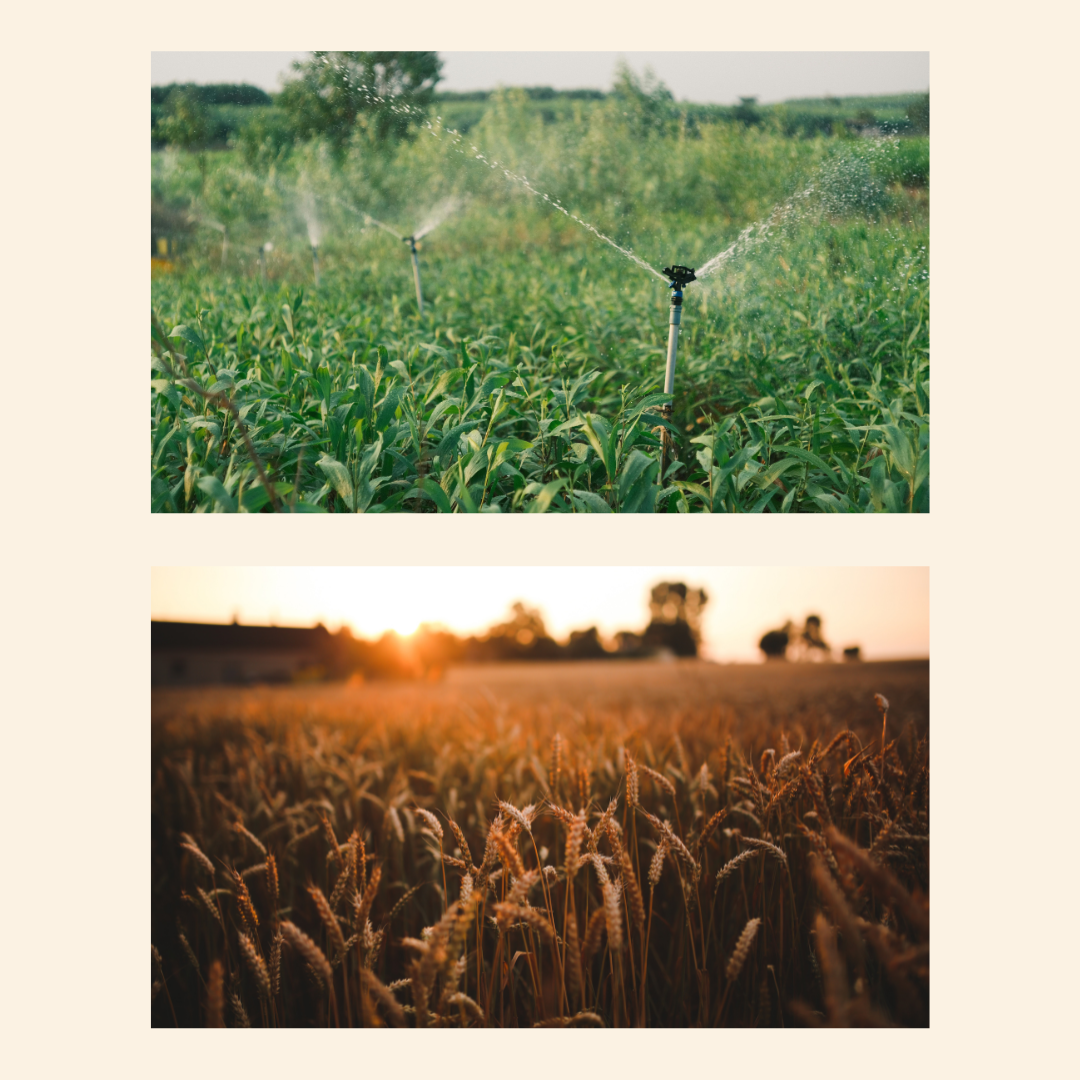
Organic farming prohibits synthetic chemicals, instead relying on natural fertilizers and pest control while focusing on environmental protection. This results in cleaner grains and better flavor than conventional methods, as soil health is prioritized.
Soil health directly influences grain flavor by affecting the nutrients available to the plants and the overall quality of the grain. Healthy, organically-farmed soil—rich in microbial life and organic matter—acts as a complex ecosystem that slowly and consistently releases a wide spectrum of essential micronutrients and minerals into the grain as it develops. This comprehensive nutrient profile is what contributes to the complex, nuanced, and superior flavor often found in organic grains. In contrast, conventional farming often relies on synthetic fertilizers that provide only a few major nutrients (like Nitrogen, Phosphorus, and Potassium) quickly, resulting in faster-growing grains that can lack the depth and complexity of flavor derived from the diverse minerality of healthy, living soil.
Good for the Glass and the Environment
Improved soil health also reduces water pollution from synthetic chemical runoff, promotes biodiversity, and can help sequester carbon in the soil, mitigating climate change.
Improved soil health offers a multitude of critical environmental benefits that extend far beyond simply supporting crop growth. A thriving soil ecosystem acts as a natural filtration system, significantly reducing water pollution by minimizing the runoff of synthetic chemicals, such as fertilizers and pesticides, into nearby rivers, lakes, and oceans. Furthermore, healthy soil fosters a robust and diverse microbial community, creating an environment that actively promotes biodiversity both below and above ground. This enriched biodiversity is essential for ecosystem resilience and stability. Most critically, enhancing soil health dramatically increases the soil's capacity to sequester and store carbon. By drawing atmospheric carbon dioxide (CO2) into the soil as organic matter, this process actively mitigates climate change, transforming agricultural land into a powerful, natural carbon sink.
But it’s Not All Sunshine and Rainbows
While becoming increasingly more prominent, organic practices do come with their drawbacks including slightly lower yields which can translate into high costs for grains increasing the overall production cost of the whiskey. This extends to the food supply, which can lead to higher consumer prices and potentially impact the overall volume of food available if implemented on a massive scale without corresponding efficiency gains. The slightly lower starch content in some organically grown grains can also result in a minor reduction in alcohol yield per batch. Additionally, farmers may try to make up for lower grain yields by converting habitat to farm land, and some natural pesticides can still have off-target effects.
Regenerative Agriculture
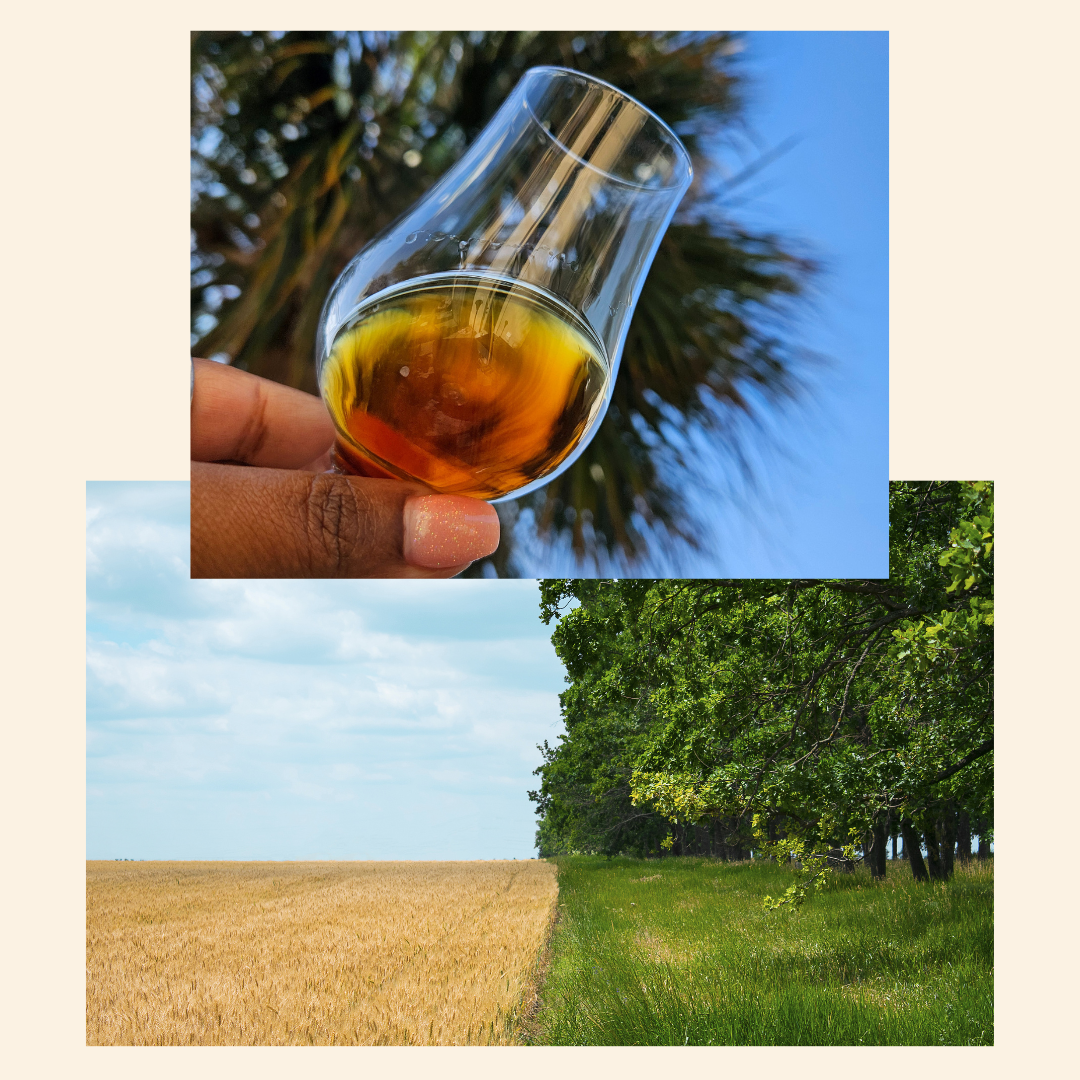
Regenerative agriculture is an advanced approach to farming that focuses on rebuilding soil organic matter and restoring soil biodiversity. This practice has wide-ranging benefits across multiple sectors, but also comes with certain challenges.
Introducing the Best Whiskey Ever
By fostering healthy, biodiverse soil through practices like no-till farming, cover cropping, and crop rotation, grains absorb more complex nutrients. Grains and other crops grown in organically rich, biodiverse soil are often more nutrient-dense, leading to a healthier food supply, and translates directly into more vibrant, nuanced flavor compounds in the grains. This increased flavor complexity is resilient enough to survive the distillation process, offering the promise of a distinct "terroir" for whiskey—a unique flavor profile reflective of the specific land it was grown on.
Regenerative practices also lead to more resilient crops. Healthier soil has superior water retention, which helps grains withstand periods of drought or heavy rain, ensuring a more stable food supply and high-quality grain supply for distilleries. While initial yields may vary, regenerative systems are designed to improve soil health year after year, leading to more sustainable and predictable long-term yields. Stable supplies and yields not only means lower costs but also ensures whiskey is around for centuries to come.
Whiskey for the Environment
Perhaps the most significant environmental benefit, regenerative practices actively draw carbon dioxide from the atmosphere and store it as stable organic matter in the soil. This makes agriculture a potential solution for mitigating climate change. Additionally, Regenerative farming restores the natural ecosystem both above and below ground, increasing the population of beneficial insects, microorganisms, and pollinators.
But most importantly, the reduction of chemical fertilizers and pesticides, combined with improved soil structure, minimizes nutrient and sediment runoff into waterways, leading to cleaner rivers and oceans. And we already talked about how important water is to good whiskey.
An Investment In Our Future
Switching from conventional to regenerative farming requires significant upfront investment in new equipment (e.g., for no-till planting) and specialized knowledge. Farmers may need extensive training on implementing complex practices like cover cropping and managed rotational grazing. Plus, in the first few years of transition, as the soil ecosystem is being rebuilt, farmers may experience a temporary dip or variability in crop yields, which can pose a financial risk. IImplementing new practices, managing cover crops, often requires more labor and can result in higher production costs, which may be passed on to the consumer or the distiller. Convincing the broader market, including consumers and large-scale buyers, to pay a premium for regeneratively grown products is an ongoing challenge - but it’s worth it if want a planet better for future generations and the best whiskey in our glasses.
New Dawn's Commitment to Better Grains for Better Whiskey
At New Dawn Distilling, our founder, we recognized early on that environmental sustainability and social equity are inseparable from the quality of our product. Our commitment to conscious consumption is reflected in every choice we make:
Sourcing Local and Organic: We work exclusively with distillers who prioritize sourcing local, organic grains. This commitment reduces the environmental impact of transportation and ensures our grains are grown without harmful synthetic chemicals, resulting in cleaner, more flavorful spirits.
Supporting Regenerative Agriculture: Our ongoing lifecycle assessment actively seeks out distillers who are supporting and implementing regenerative agricultural production. This is the gold standard for grain quality and planetary health, helping to build soil and improve water quality, which translates into inherently superior grains.
Integrating Social and Environmental Justice: By supporting agricultural practices that are both ecologically sound and locally focused, we are contributing to environmental justice—the understanding that healthy ecosystems benefit everyone, especially communities disproportionately impacted by pollution.
We are not just distilling whiskey; we are distilling change. By choosing grains cultivated with respect for the earth and a focus on intrinsic quality, we ensure that every bottle of New Dawn Distilling whiskey is a testament to the power of sustainable choices—from field to flask.
Frequently Asked Questions (FAQ)
Q: What is the difference between conventional and heirloom/heritage grains?
A: Conventional grains are bred for maximum yield and starch content, offering less flavor complexity. Heirloom and heritage grains are older, diverse varieties prioritized for their rich, distinct flavor profiles, which contribute significantly to the quality and character of the whiskey.
Q: How does the type of agriculture affect whiskey flavor?
A: Conventional farming (using synthetic chemicals) often results in grains lacking flavor depth due to depleted soil health. Organic and regenerative agriculture prioritize soil health, which creates a complex ecosystem that releases a wide spectrum of micronutrients and minerals into the grain, resulting in more complex, nuanced, and superior flavor in the final spirit.
Q: What is the key difference between Organic and Regenerative Agriculture?
A: Organic agriculture prohibits synthetic chemicals and focuses on environmental protection. Regenerative agriculture is an advanced approach that goes further by actively focusing on rebuilding soil organic matter, restoring soil biodiversity, and sequestering carbon through practices like no-till farming and cover cropping. Regenerative practices are considered the "gold standard" for soil and planetary health.
Q: What are the environmental benefits of Regenerative Agriculture?
A: Regenerative agriculture actively draws carbon dioxide from the atmosphere into the soil (mitigating climate change), improves soil structure and water retention (making crops drought-resilient), restores natural ecosystems and biodiversity, and minimizes nutrient/sediment runoff, leading to cleaner waterways.
Q: Why are conventional grains still so widely used?
A: Conventional methods are highly efficient for mass production, providing high, consistent yields necessary for animal feed and processed foods globally. While efficient and providing historically low-cost calories, these methods come at a significant environmental cost and often result in less flavorful grains.
Q: Does using organic or regenerative grains make whiskey more expensive?
A: Generally, yes. Organic and regenerative practices can result in slightly lower or more variable initial yields, require more specialized knowledge and labor, and involve significant upfront investment for farmers. This can translate to higher production costs for the distiller and potentially higher prices for the consumer.
Q: What is New Dawn Distilling’s commitment to sustainable agriculture?
A: New Dawn Distilling works exclusively with distillers who prioritize sourcing local, organic grains to reduce transportation impact and ensure chemical-free spirits. They are also actively seeking out and supporting distillers implementing regenerative agricultural production to ensure superior grain quality and planetary health.