Whiskey and the mighty oak have a relationship that spans centuries. From the moment our spirits touch the charred interior of a barrel, they begin a metamorphosis—a slow, patient exchange that imparts color, flavor, and complexity. For bourbon and many other whiskies, the American White Oak ( Quercus alba) is non-negotiable. It is the heart of the aging process.
Yet, this vital natural resource, the American oak, is increasingly in jeopardy. The consequence of this ecological decline is not merely an unfortunate environmental tragedy; it represents an existential and economic threat to the entire whiskey industry. Without a reliable, sustainable source of mature American oak, the distinct aging process that defines our product—imparting its color, flavor complexity, and smoothness—will be fundamentally compromised, jeopardizing the very tradition and future of whiskey-making.
What’s Going On? A history of deforestation and an onslaught of new pests
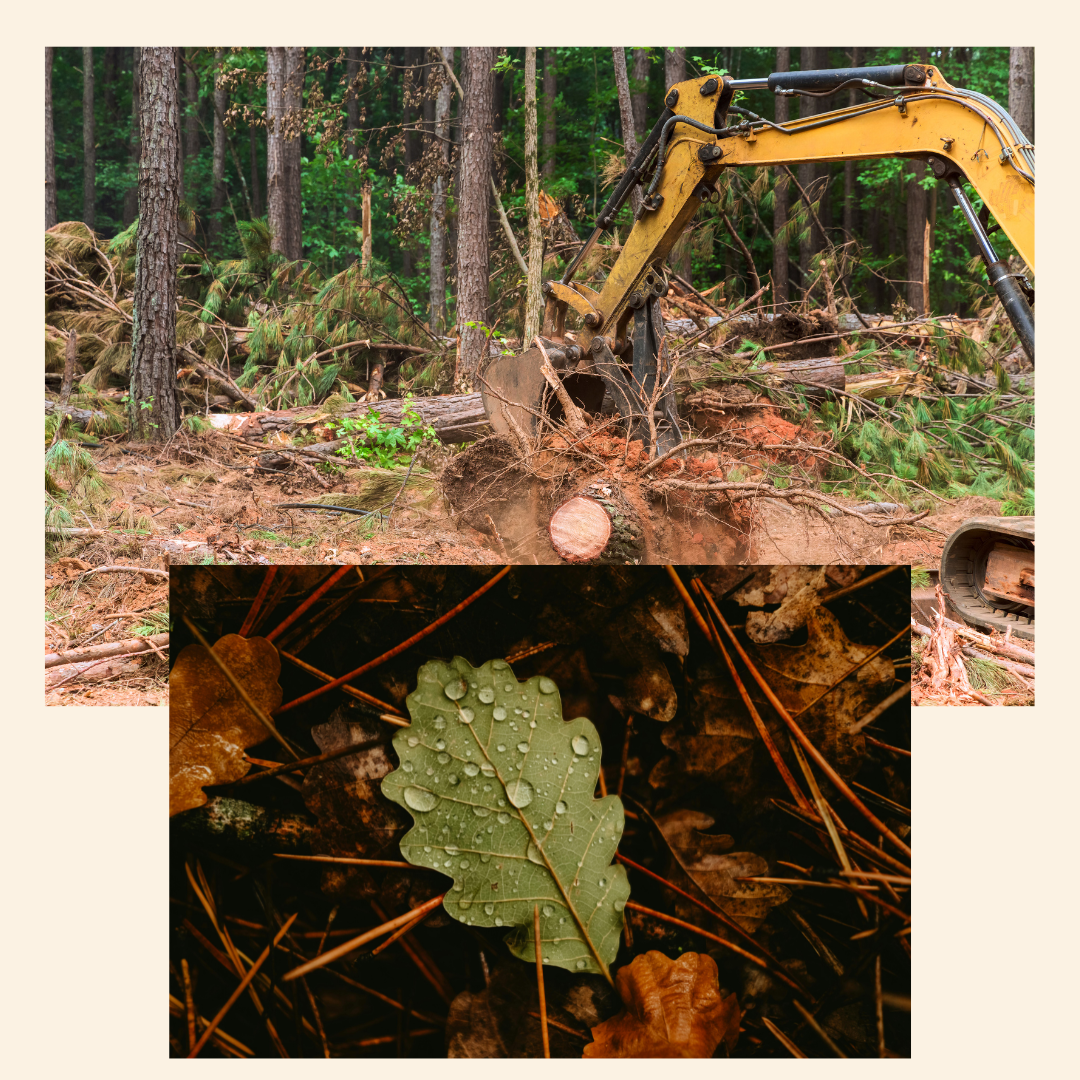
Appalachian and Eastern deciduous forests down through the Gulf states extending west to the midwestern states hugging the Mississippi is the heartland of American Oak. It is a key component of mature, mixed deciduous forests and often sits on prime agricultural land.
Starting in the 17th century, vast tracts of eastern oak forest were cleared for agriculture, particularly in the fertile regions of the Northeast and Midwest. Oak was viewed as an obstacle to farming and was often simply burned.
The 19th and early 20th centuries saw intensive logging to fuel the nation's industrial expansion. Oak was prized for its strength and durability, making it essential for shipbuilding, railway ties, barrel staves (cooperage), and housing construction. This led to the rapid and often unsustainable harvest of old-growth oak stands, particularly in the Appalachians and the Ohio River Valley.
In the post-WWII era, suburban and urban sprawl, combined with highway construction, resulted in the fragmentation of remaining forests. This not only destroyed oak habitat but also isolated existing stands, making them vulnerable to disease and reducing genetic diversity.
Perhaps more insidiously, is the increasing threat posed by diseases and pests. A changing global climate, marked by more frequent extreme weather events and altered temperature patterns, is weakening the trees' natural defenses while simultaneously creating environments where destructive pathogens and insect infestations—such as the oak wilt fungus and various borers—can thrive and spread with unprecedented speed.
A Multi-pronged Rescue
Current efforts to restore and sustain American Oak populations focus on several key areas:
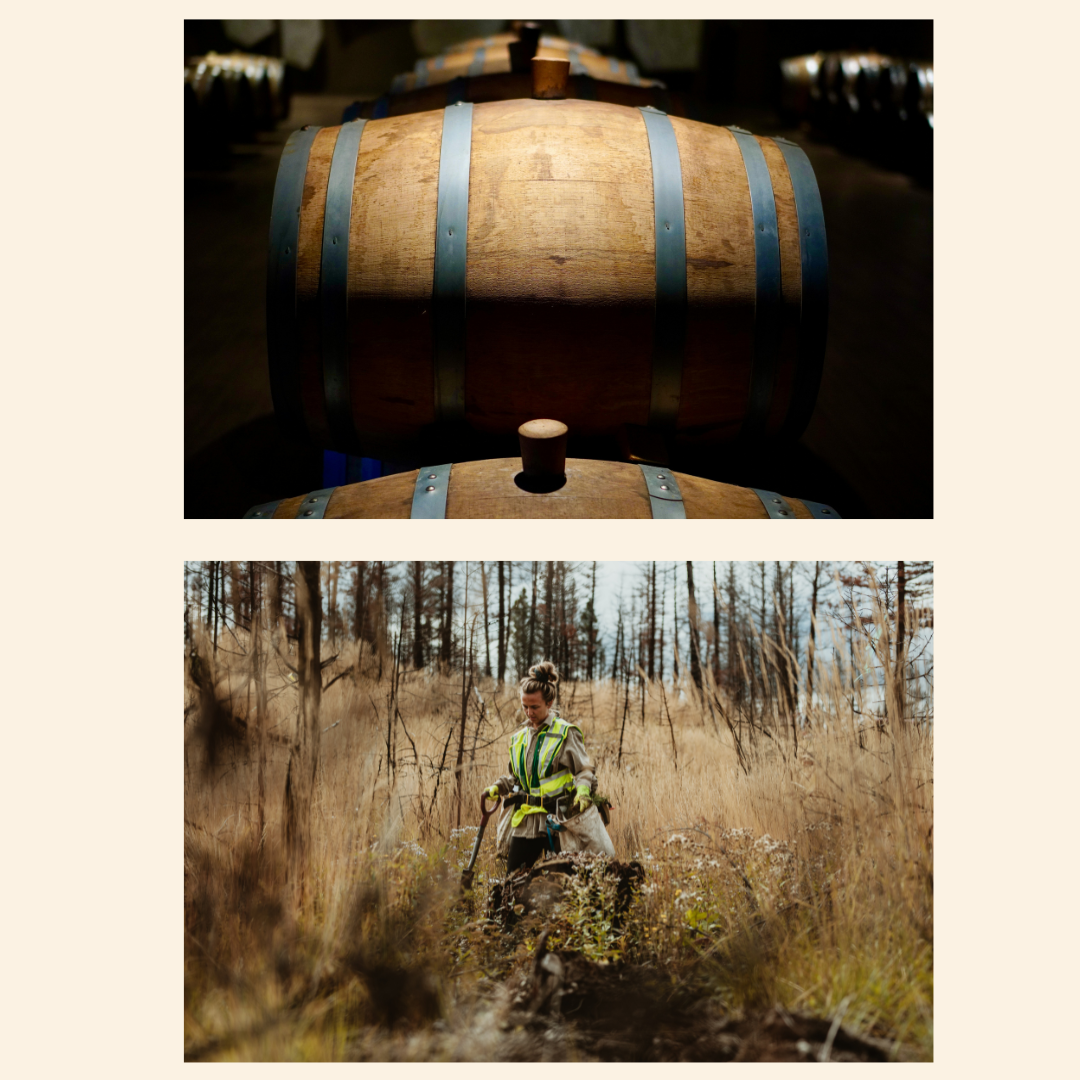
Sustainable Forest Management: Modern forestry practices emphasize selective harvesting, which mimics natural disturbances and promotes regeneration rather than clear-cutting. Certification programs (like the Forest Stewardship Council - FSC) encourage responsible sourcing.
Reforestation and Afforestation: Initiatives plant oak seedlings on former agricultural land and degraded sites. A key challenge is managing competing vegetation, as oaks are relatively slow-growing.
Addressing Fire Suppression: Historically, controlled, low-intensity fires were a natural part of oak ecosystems, which favored fire-tolerant oaks over fire-sensitive species like maple. In some areas, prescribed burns are being cautiously reintroduced to manage understory competition and promote oak regeneration.
Conservation Land Acquisition: Non-profit organizations and government agencies purchase and manage critical oak forest tracts to protect them from development, ensuring the long-term viability of high-quality timber and habitat.
Pest and Disease Management: Research focuses on managing threats like the Gypsy Moth and various oak diseases that disproportionately affect stressed or fragmented stands.
Time is the Enemy of Complacency
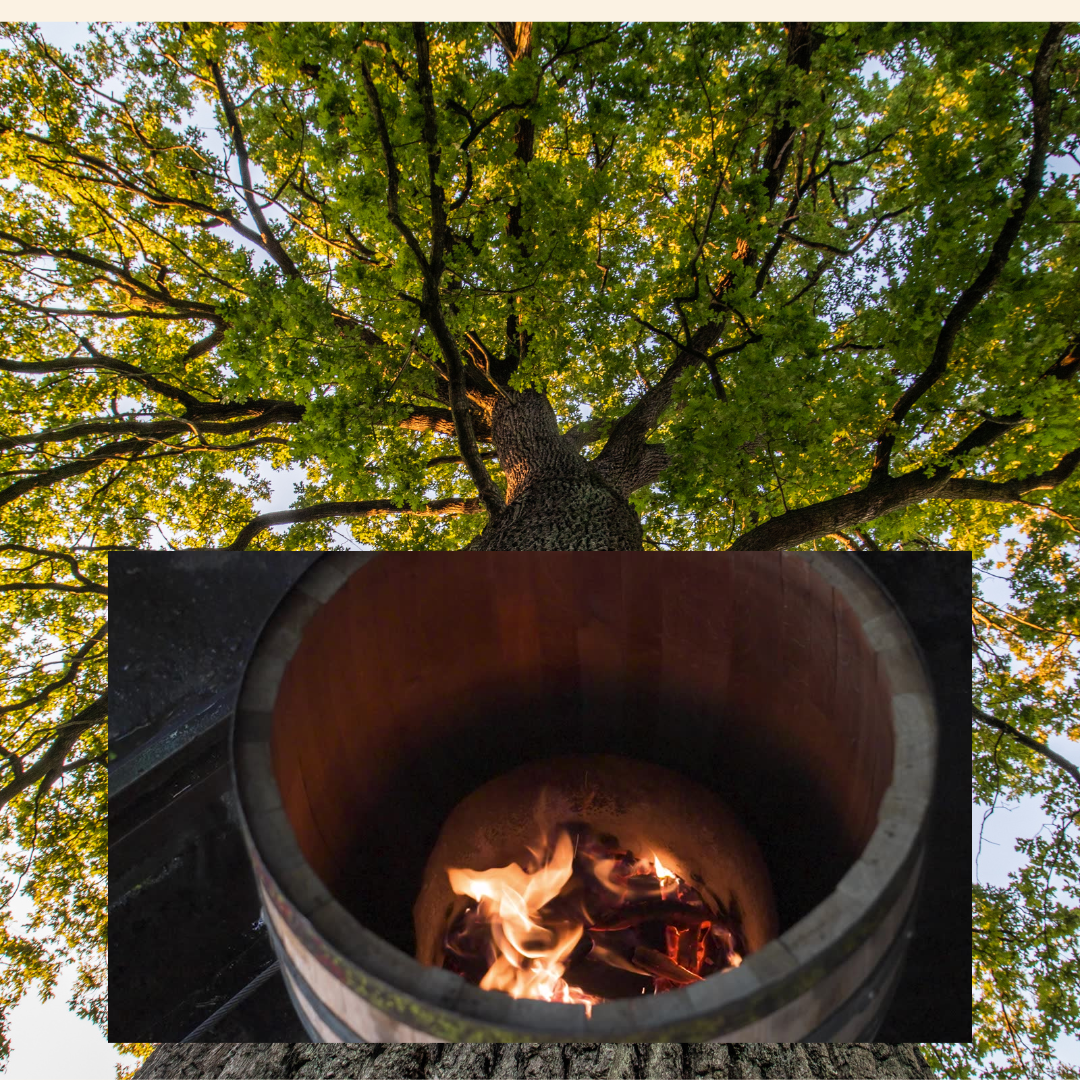
For a whiskey barrel to be crafted, an oak tree must typically mature for 60 to 100 years. This century-long timeline creates an urgency unlike any other challenge facing the industry. We cannot simply plant a sapling today and expect to have a barrel in our lifetime, let alone meet the current, massive demand. The decline we see today threatens the supply chain not for 2026, but for 2126.
If the decline of oak forests continues unchecked, the cost and scarcity of new barrels will skyrocket. This will disproportionately affect bourbon, which, by law, must be aged in new, charred oak containers. While Scotch and other whiskies benefit from the crucial practice of barrel reuse—a critical component of sustainability that extends the life of this precious wood—bourbon's reliance on virgin oak makes it uniquely vulnerable. A severe shortage of Quercus alba would force the bourbon industry to confront its core legal definition, reshape its production methods, or face prohibitive costs that translate into drastically higher prices for consumers.
More Than Just Whiskey: The Ecological Imperative
The importance of oak restoration extends far beyond the distilleries. Oak forests are keystone ecosystems, supporting immense biodiversity. They are critical carbon sinks, helping to mitigate climate change. Furthermore, these forests are essential for clean water—they stabilize soil, filter runoff, and recharge aquifers, which is vital for the local well water used in many distilling operations. For local communities, these forests are critical to health and well-being, offering clean air, recreational spaces, and ecological resilience.
New Dawn’s Commitment to Sustainable Sourcing
At New Dawn Distilling, we recognize that the future of our craft is intrinsically linked to the health of the planet. While we prioritize efficiency and sustainability across our supply chain—from reducing our shipping carbon footprint by warehousing products on both coasts, to supporting distilleries that practice closed-loop distillation—we also focus on the raw material that gives our whiskey life.
New Dawn is actively working to support the efforts to reverse oak forest decline. We commit to working with partners who are focused on restoring native habitats and deploying resilient energy systems, directly supporting the sustained change needed to protect the natural resources upon which we all depend.
The oak crisis is not a problem for tomorrow; it is a crisis for today's industry and the next century of consumers. Through dedicated sustainable sourcing, barrel conservation, and ecological partnership, New Dawn Distilling is striving to ensure that the complex, rich flavors of fine whiskey can be enjoyed for generations to come.
Take Action: Secure the Next Century of Whiskey
You don't need to be a distiller to help secure the future of the forests that give our whiskey life. Your support directly aids the long-term viability of the American White Oak.
Here’s how you can help restore and conserve Quercus alba:
Support Reforestation Non-profits: Donate to reputable organizations dedicated to planting native, resilient oak seedlings on degraded lands.(e.g., American Forest or local conservancy groups).
Choose Certified Wood Products: When purchasing wood furniture or home goods, look for the Forest Stewardship Council (FSC) certification. This signals that the wood was harvested using sustainable, selective logging practices that promote forest health.
Educate Your Whiskey Community: Share the importance of forest health and sustainable sourcing for whiskey production. Recognizing the value of mature oak ecosystems is the first step toward protecting them.
Frequently Asked Questions (FAQ)
Q: Why is American White Oak so critical to the whiskey industry?
A: American White Oak is non-negotiable for bourbon, which by law must be aged in new, charred oak containers. The barrel imparts up to 80% of a whiskey's flavor, color, and aroma. Without a sustainable supply of mature oak, the distinct aging process that defines American whiskey will be compromised, presenting an existential threat to the industry.
Q: How long does it take for an oak tree to be ready for barrel making?
A: For an oak tree to be harvested and crafted into a whiskey barrel, it must typically mature for 60 to 100 years. This long timeline is why the current decline poses an urgent threat to the future supply chain, potentially impacting whiskey production a century from now.
Q: Does this crisis affect all whiskies equally?
A: No. While all whiskies rely on oak, bourbon is uniquely vulnerable because U.S. law mandates it must be aged in new, charred oak barrels. Other whiskies, like Scotch, rely heavily on the crucial and sustainable practice of barrel reuse, which extends the life of the wood.
Q: What is New Dawn Distilling doing to address the oak crisis?
A: New Dawn Distilling is committed to sustainable sourcing, barrel conservation, and ecological partnership. We prioritize working with partners focused on restoring native oak habitats and deploying resilient energy systems. We are striving to ensure that the complex, rich flavors of fine whiskey can be enjoyed for generations to come by protecting the natural resources upon which our craft depends.
Q: How can I personally help conserve American Oak?
A: You can help in three key ways:
Support Reforestation Non-profits: Donate to reputable organizations dedicated to planting native, resilient oak seedlings on degraded lands (e.g., American Forest or local conservancy groups)
Choose Certified Wood Products: Look for the Forest Stewardship Council (FSC) certification when buying wood products, as this signifies the wood was harvested using sustainable practices that promote forest health.
Educate Your Community: Share the importance of forest health and sustainable sourcing within your whiskey community to raise awareness and value for mature oak ecosystems.
Q: Is the importance of oak forests limited only to whiskey production?
A: No. The importance of oak restoration extends far beyond distilleries. Oak forests are keystone ecosystems that:
Support immense biodiversity.
Act as critical carbon sinks to mitigate climate change.
Are essential for clean water, stabilizing soil and recharging aquifers vital for distilling operations and local communities.