The Soulful Genesis: How Juke Joints Stirred the Rhythm of New Dawn
This Black History Month, we at New Dawn are raising a glass to the deep, resonant heritage that flavors every drop we craft. Our journey is a story of rhythm and refinement—a tale that begins in the soulful kitchens and foundational gathering places of the American South.
If you’ve been following the New Dawn journey you know that I inherited more than just a love of whiskey; I inherited a profound, cellular understanding of flavor. This intuition was honed across generations of master flavor architects—chefs and supertasters whose original laboratory was a Southern kitchen, steeped in nature's bounty.
The magic of New Dawn Whiskey lies in the marriage of this Southern soul, rooted in New Orleans' rich culinary and cultural tapestry, with the rigorous, sustainable craft practiced at our New York distillery. It is this beautiful duality—rhythm meeting refinement—that creates a whiskey truly unlike any other.
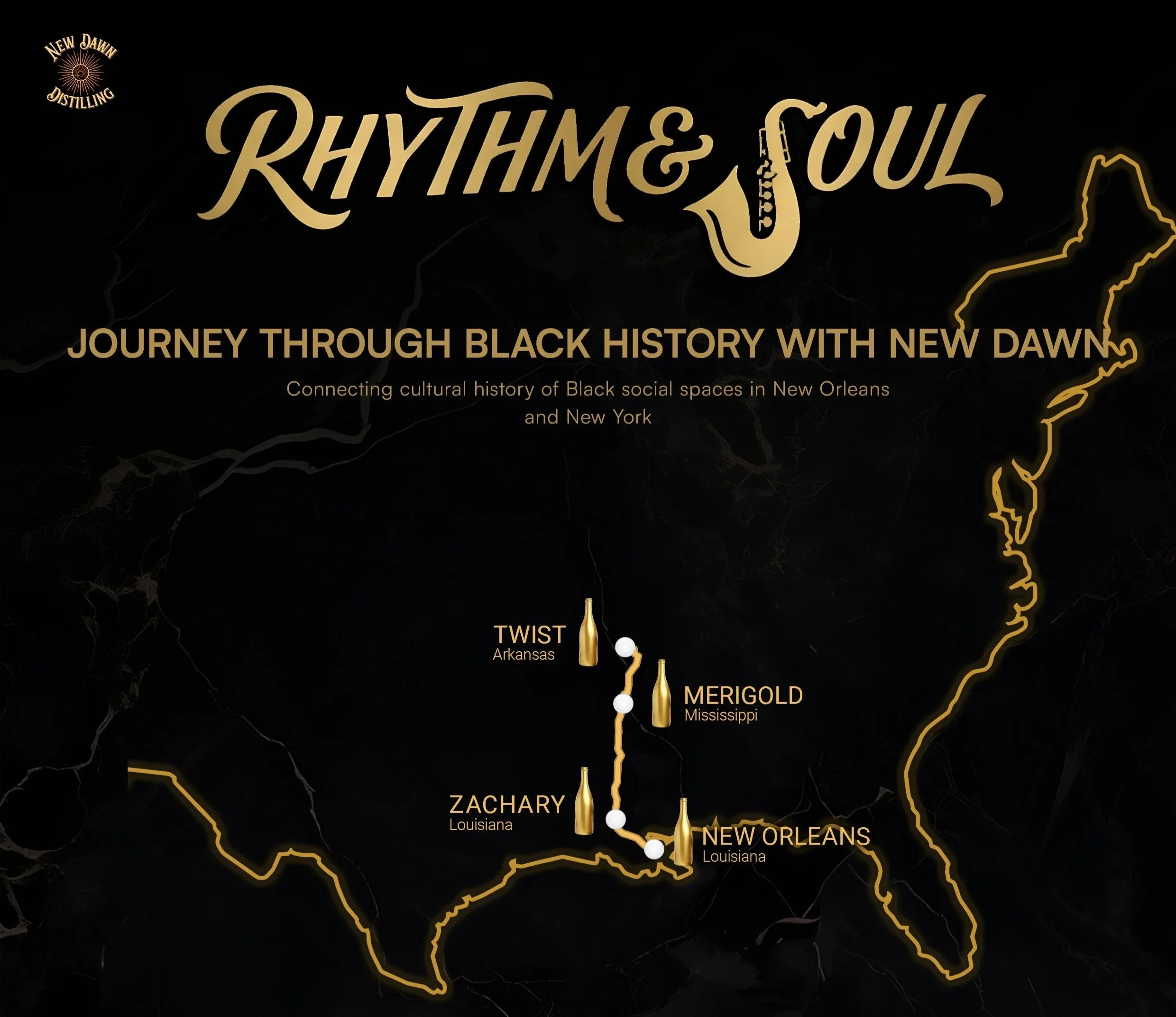
The Juke Joint Legacy: Sanctuary and Song
To understand the rhythm, we must look back at the original gathering places: the juke joints. Before they were celebrated as blues clubs or music halls, the juke joint was the spiritual and social epicenter for Black communities across the rural South.
Evolving from informal "house parties" and field gatherings in the post-Reconstruction era, these unpretentious establishments—often shacks or repurposed homes—offered sanctuary. They were places where laborers could shed the burden of the week, share simple food and moonshine, and, most importantly, hear the raw, emergent sounds of the Delta Blues and early jazz. The rhythm and soul born within these walls would go on to shape modern American music, providing the foundational beat for everything that followed.
Historical Hotspots That Shaped the Sound
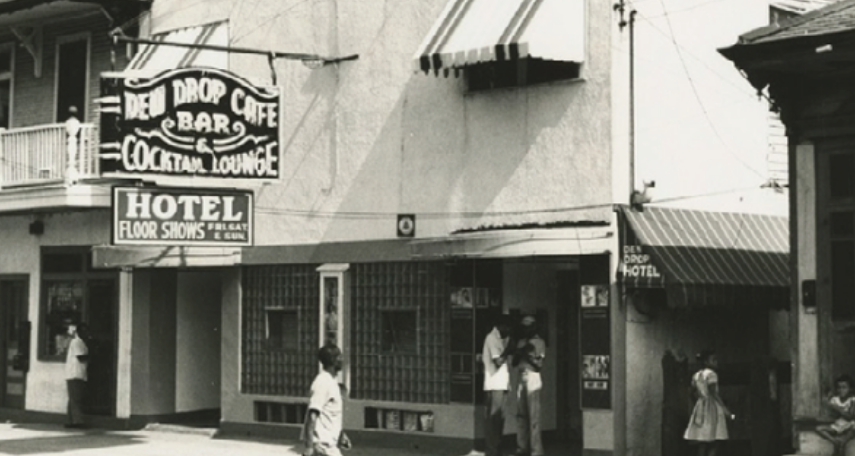
Dew Drop Inn (New Orleans, Louisiana)
While not a juke joint, I’d be remiss if I didn’t mention The Dew Drop Inn on our southern tour. The Dew Drop was one New Orlean’s swankiest night clubs famous for integrating music, food, and lodging. Notably it is considered "the most important and influential club" in the development of rock n roll music, hosting icons like Ray Charles, Little Richard, and James Brown. The Dew Drop was also well known for being open and accepting of diverse clientele putting it ahead of many other establishments at the time.
Teddy’s Juke Joint (Zachary, Louisiana)
At the end of a dirt road off of Highway 61— you can still find one of the last remaining juke joints on the “Chitlin Circuit,” a word-of-mouth network of venues that welcomed Black musicians across the American South during segregation. Today, the venue hosts a broader range of musicians including rock as well as blues acts, both local and touring. You can even find Teddy at the DJ booth on nights when there isn’t music spinning blues, soul, and R&B.
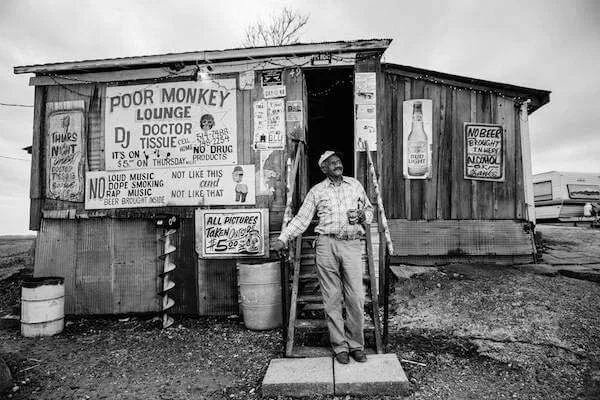
Po' Monkey's Lounge (Merigold, Mississippi)
Po-Monkey’s Lounge was a classic juke joint, originally a sharecropper’s shack, and one of the last original country juke joints until 2016 when it closed shortly after Willie “Po’Monkey” Seaberry’s passing. Internationally recognized, Po’Monkey’s attracted tourists from around the world who were drawn in by the live Delta blues music, and Thursday "Family Nights.”
Unknown Establishment (Twist, Arkansas)
We end our southern tour with an establishment whose name is lost to the annals of history but still carries an epic tale. Picture yourself in Twist, Arkansas in the winter of 1949 in a cold dance hall heated by a barrel half-filled with kerosense. B.B. King graces the stage when a fight breaks out knocking over the barrel and setting the hall aflame. Everyone evacuates when King realizes he left his guitar inside and rushes in to save it. Upon learning that the fight was started over a woman named Luicille, he named that guitar (and everyone after) Lucille to remind himself to never “do something as stupid as running into a burning building or fighting over a woman.” You can hear the story in King’s own words during the song "Lucille."
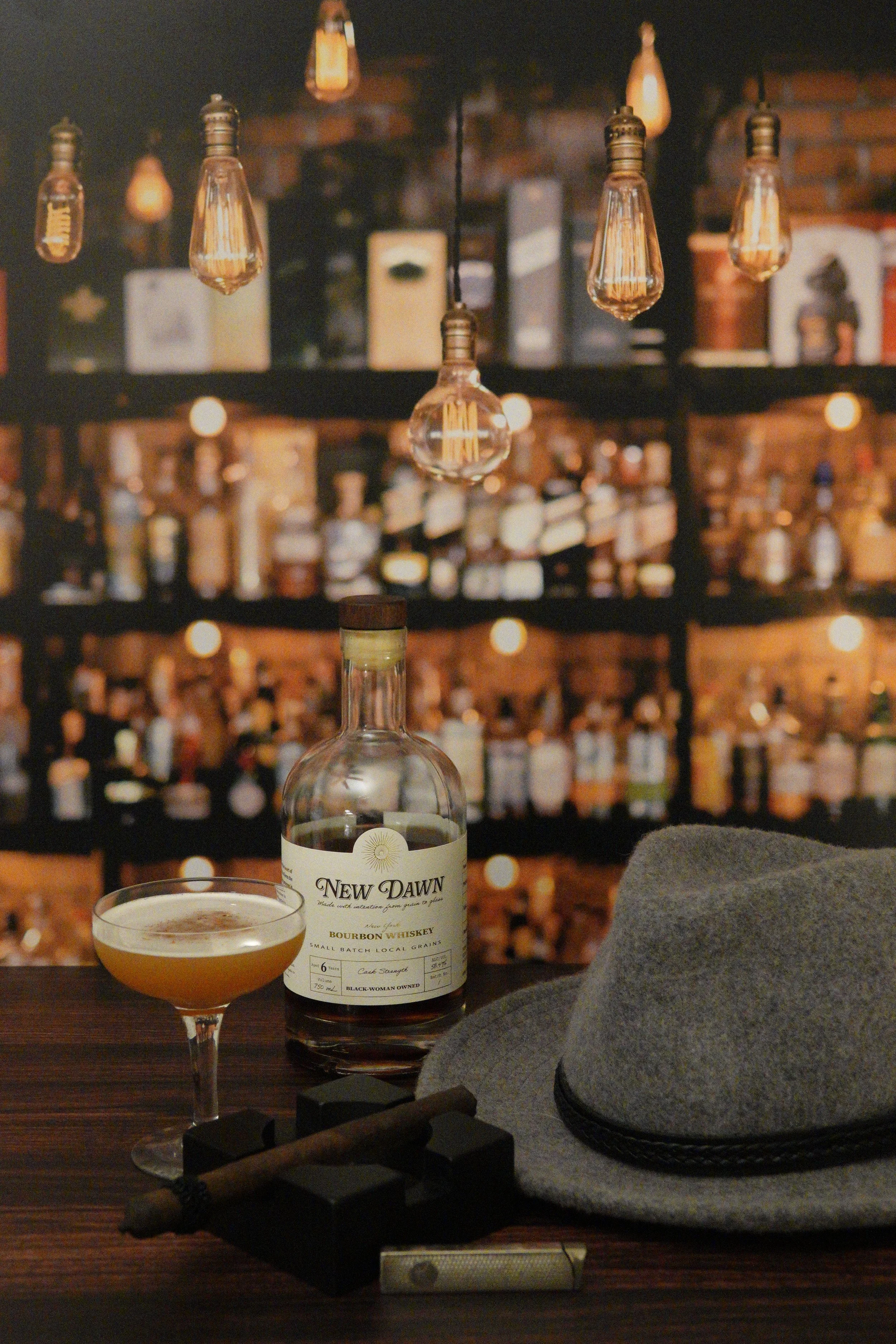
A Taste of History: The 'Juke Joint Julep'
Of course we couldn’t start our journey without a libation. In honor of these foundational venues, I’ve created a cocktail that honors this legacy the ‘Juke Joint Julep.’ This is a robust twist on a classic, highlighting the complex character and cask strength of our New Dawn Whiskey—a spirit as strong and complex as the history it celebrates.
Get the recipe: Juke Joint Julep
Join us this month as we explore the lineage that connects a Southern kitchen to a New York still, and celebrate the rhythm and soul poured into every bottle of New Dawn.
Frequently Asked Questions (FAQ)
Q: What is a juke joint?
A: Historically, juke joints were essential spiritual and social centers for Black communities in the rural South, particularly in the post-Reconstruction era. They evolved from informal gatherings and were places for laborers to relax, share food and drink (like moonshine), and listen to early forms of Delta Blues and jazz.
Q: What was the "Chitlin Circuit"?
A: The Chitlin Circuit was an informal, word-of-mouth network of performance venues and establishments across the American South and Eastern U.S. that welcomed Black musicians, entertainers, and patrons during the era of racial segregation. Teddy's Juke Joint is noted as one of the last remaining venues from this circuit.
Q: What happened at the establishment in Twist, Arkansas, involving B.B. King?
A: In 1949, B.B. King was performing in a cold dance hall in Twist when a fight broke out over a woman, knocking over a kerosene barrel and setting the hall on fire. King rushed back into the burning building to save his guitar. He named the guitar "Lucille" (and all subsequent guitars) to remind himself never to "do something as stupid as running into a burning building or fighting over a woman."
Q: Where can I find the recipe for the 'Juke Joint Julep'?
A: The recipe is available via the link provided in the post: http://newdawndistilling.com/cocktails/juke-joint-julep.
Q: How does this legacy connect to New Dawn Whiskey today?
A: The legacy is the "rhythm and soul" derived from the Southern culinary and cultural tapestry. This soul is married with the "refinement" of sustainable, rigorous craft practiced at the New York distillery, resulting in the unique character of New Dawn Whiskey.